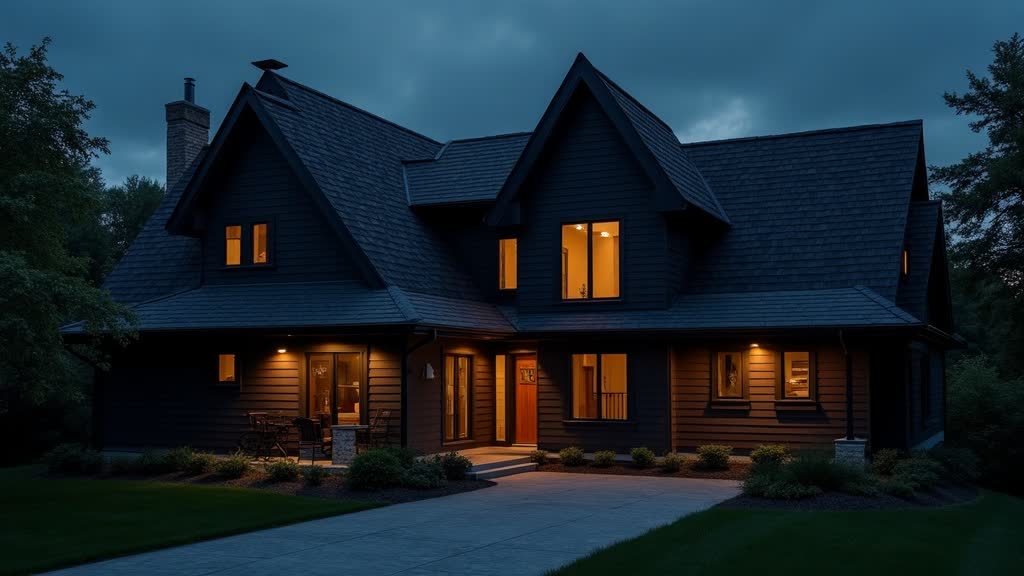
Roof Repair in Pinellas Park, FL
Worth Fixing, or Time to Stop Paying Twice.
Roof repair in Pinellas Park usually happens on a roof that isn't the first one the house has worn. We tell you which problems are worth fixing on that roof and which ones aren't, check where the job lands under Florida's 25% rule, and photograph every fix for your homeowner portal.
Takes about 30 seconds. A local roofing specialist follows up the same business day.
Ask most Pinellas Park homeowners when their roof went on and the answer is a date long after the house was built. The city’s homes are mostly from the 1970s and 1980s, so by now a typical house has been reroofed at least once and often twice. So a repair gets judged on more than what broke. We also want to know how much life this particular roof has left, and which code it went on under.
We answer both before we quote anything. The roof is measured from high-resolution imagery before the visit, so we already know its slopes, its sections and how big each one is. On site, we find what failed, photograph it, and tell you plainly whether it’s a repair worth paying for.
A Pinellas Park Roof on Its Second or Third Life
Census estimates for 2020 to 2024 put the median Pinellas Park home at 1978, and the 1970s and 1980s together account for about half of all housing units in the city. Only about one home in ten predates 1960. In practice that means very few original roofs are left, and the one on your house now could be from the 1990s, the 2000s or last year.
Each of those roofs ages differently. A roof put on in the late 1990s has spent more than two decades in Florida sun and is near the end of its run. One from the 2010s may have plenty left, with a single pipe boot or flashing joint letting it down. And under both, there’s often the original 1970s or 1980s deck, which has carried every roof since.
So the first step on a Pinellas Park repair is reading the roof’s history. Permit records for the property usually show when the last full replacement happened. That date tells us how worn the covering should be, and it tells us which side of the code line the roof sits on, which comes up again below.
Reading a Roof's History
- Original roof, 1970s or 1980s house
- Long gone on most homes; the deck under it often is not
- First replacement, 1990s or early 2000s
- Built before the 2007 code; the 25% rule applies in full
- Replacement under the 2007 code or later
- A repair only has to bring the repaired part up to code
- Where we look it up
- Permit records for the property
Repairs Worth Doing on a Replacement Roof
Plenty of problems on a second or third roof are true repairs. One part fails, the rest of the roof is fine, and fixing that one part buys the roof years. These are the ones we see most often on Pinellas Park homes:
- Pipe boots. The rubber collar around a plumbing vent breaks down years before the shingles around it. We replace the boot and reset the shingles above it.
- Flashing. Metal at walls, chimneys and roof-to-wall joints loosens or rusts. We replace it and tuck it under the covering. A bead of sealant on top is not a fix, and we don’t sell it as one.
- A few lifted or missing shingles. After a windy afternoon, a handful of tabs on an otherwise healthy roof is a short job: new shingles, nailed and sealed down.
- Ridge cap. Cracked or loose caps along the peak let rain straight into the ridge. We rebuild the run that failed.
- Cracked tile. On a tile roof, a few broken pieces get swapped out, and we check the underlayment beneath them while the tiles are off.
If your roof is dripping and you don’t know why, our roof leak repair page covers how we trace the entry point. If wind or a storm did the damage, see storm damage roof repair.
Repairs That Usually Pay Off
- Split pipe bootReplaced, and the shingles around it reset
- Loose wall or chimney flashingNew metal, tucked under the covering, not smeared with sealant
- A few lifted or missing shinglesReplaced and sealed down, matched as closely as possible
- Cracked ridge capRebuilt along the run that failed
- One soft spot in the deckThe bad wood cut out and replaced
- A handful of cracked tilesSwapped out, underlayment checked beneath them
Small Deck Spots Under an Older Roof
On many Pinellas Park homes, the wood under the roof is older than anything on top of it. When a small leak runs long enough, it softens a patch of that deck, usually around a pipe, along a valley or near the eaves.
A single soft spot is still a repair. We open the covering and underlayment above it, cut out the bad wood back to solid framing, put in new decking and rebuild each layer in order. The photos show the damaged wood before it goes in the dumpster, so you know the size of what was replaced.
What we watch for is a spot that turns out to be part of a bigger pattern. If the bad wood keeps going, or the deck feels soft in other places when we walk the roof, the repair conversation changes. We stop and show you before doing more.
When Repairs Stop Paying Off
Some roofs are past the point where a repair makes sense, and saying so is part of the job. On a Pinellas Park roof that has already been replaced once, these are the signs we look for:
- Granule loss across whole slopes. Bare, shiny patches and gutters full of grit mean the shingles themselves are worn out, not one spot.
- Soft decking in several places. One bad sheet is a repair. Three or four on different slopes means water has been getting in for a long time.
- Repeat leaks. If an area has already been patched and leaks again, the covering around it is failing too.
- Shingles that crack when lifted. If we can’t lift a shingle to work under it without breaking it, every repair breaks more of the roof.
At that point a repair tends to be money spent twice. The photos make the case, and there’s no pushy sales visit. If you decide on a new roof, our roof replacement page explains the options: Good, Better and Best, each a matched system from one manufacturer that we buy direct, signed from your phone with the price locked once it’s sent. That work carries our 15-year workmanship warranty in writing, on top of the manufacturer’s coverage.
Signs a Repair Would Be Money Spent Twice
- Granules gone across whole slopesThe shingles are at the end of their life, not just one spot
- Soft decking in several placesWater has been getting in for a while, and in more than one way
- The same area leaking again after a repairThe covering around the fix keeps failing
- New leaks on different slopes each seasonThe roof is wearing out everywhere at once
How the 25% Rule Decides a Repair
Florida’s code doesn’t let an old roof be repaired piece by piece forever. Section 706.1.1 of the 2023 Existing Building Code says that if more than 25% of a roof, or of one roof section, is repaired, replaced or recovered within 12 months, the whole roof or section has to meet current code.
For a pipe boot or a few shingles, the share is tiny, and the rule never comes up. It starts to matter when work piles up on one slope in the same year: a flashing repair in spring, wind damage in summer, a deck spot in fall. Each job counts toward the same 25%.
Because we measure each roof section from imagery before the visit, we can compare the repair area to the section it sits on and tell you where you stand before you get a price. If a repair would push the section over the line, you hear that first, along with what it means for the rest of that slope.
How Much Repair Before Code Steps In
Which Code Your Roof Was Built Under
There’s a way out of the 25% rule, and on a Pinellas Park home it depends almost entirely on the roof’s last replacement. Florida Statutes 553.844(5) says that when an existing roof was built, repaired or replaced to the 2007 Florida Building Code or later, only the portion being repaired has to meet current code. Local governments can’t amend it.
With a median build year of 1978, almost no original roof here qualifies. A first replacement done in the 1990s or early 2000s doesn’t either. But a reroof done under the 2007 code or later usually does, and that roof can take larger repairs without pulling in the rest of the section.
Two roofs on the same Pinellas Park street can look identical and get very different answers. That’s why we check the permit date before quoting, not after.
The 2007-Code Exception
- Where it comes from
- Florida Statutes 553.844(5)
- Who qualifies
- Roofs built, repaired or replaced under the 2007 Florida Building Code or later
- What it changes
- Only the repaired part has to meet current code
- Can a city change it?
- No, local governments can't amend it
Matching Older Shingles and Tile
A repair on a roof that’s 15 or 20 years old runs into a simple problem: the exact shingle may no longer be made, and the ones on the roof have faded. New shingles next to old ones show, at least for a while.
We bring the closest current product and tell you honestly how it will look. On a back slope, a small color difference rarely matters. On the slope facing the street, you may want to know that before you decide. With tile, we look for a matching profile and color, and if a piece can’t be matched, we tell you where the replacements will sit.
Sometimes the matching question tips the decision. A big repair in plain view on a worn roof can cost a good share of what a section would, and look patched for years. We lay out both paths and let you choose.
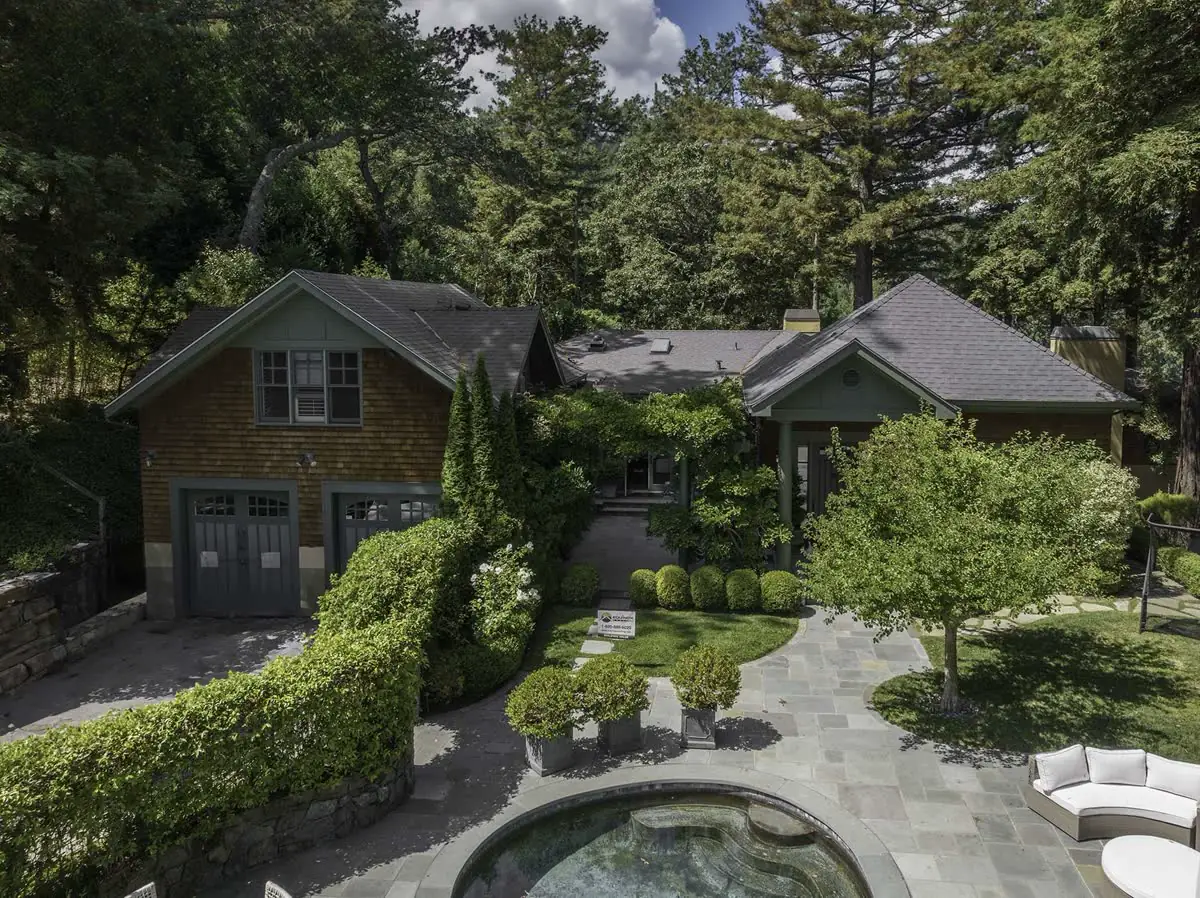
Roof Repair Permits in Pinellas Park
Inside city limits, the City of Pinellas Park’s Building Development Division issues roof permits from 6051 78th Avenue North. The city’s post-storm permitting plan names “roof replacement or substantial roof repairs” as work that needs a permit. We check with the city whether your repair falls in that group. When a permit is needed, we pull it in our name and book the inspections. The city’s inspection guide says roofing must pass a Dry In inspection, and it lists a Building Sheathing inspection that covers roof nailing.
Plenty of homes with a Pinellas Park mailing address are actually in unincorporated Pinellas County, which permits roofs through its own office in Clearwater. A search on pcpao.gov tells you which one your parcel belongs to, and we confirm it before we quote. We also work in nearby areas such as Kenneth City, Lealman and Bardmoor.
If your home sits in one of the city’s flood zones, Pinellas Park’s 50% substantial improvement rule is counted per permit, so a routine repair is very unlikely to get near it. Cleanup is included either way.
Who Permits a Roof Repair Here
- Inside city limits
- City of Pinellas Park Building Development Division, 6051 78th Avenue N
- What the city lists as needing a permit
- Roof replacement or substantial roof repairs
- City roof inspections
- Dry In, and Building Sheathing for roof nailing
- Pinellas Park address, county parcel
- Pinellas County permits it; look it up on pcpao.gov
A Photo Report of Every Repair
Almost everything a good repair does gets covered up. The new boot sits under a course of shingles, the new flashing hides behind them, and fresh decking disappears under underlayment. From the driveway, nothing looks different.
So each repair is photographed in stages: the failure as we found it, the layers once they’re opened, and the finished work. Those photos land in your homeowner portal along with the schedule, your documents and a message thread with us. If the damage came from a storm, you can share the photo report with your insurer. The claim itself stays between you and your insurance company.
Want the photos before deciding anything? A free roof inspection gives you the same record with no repair attached.
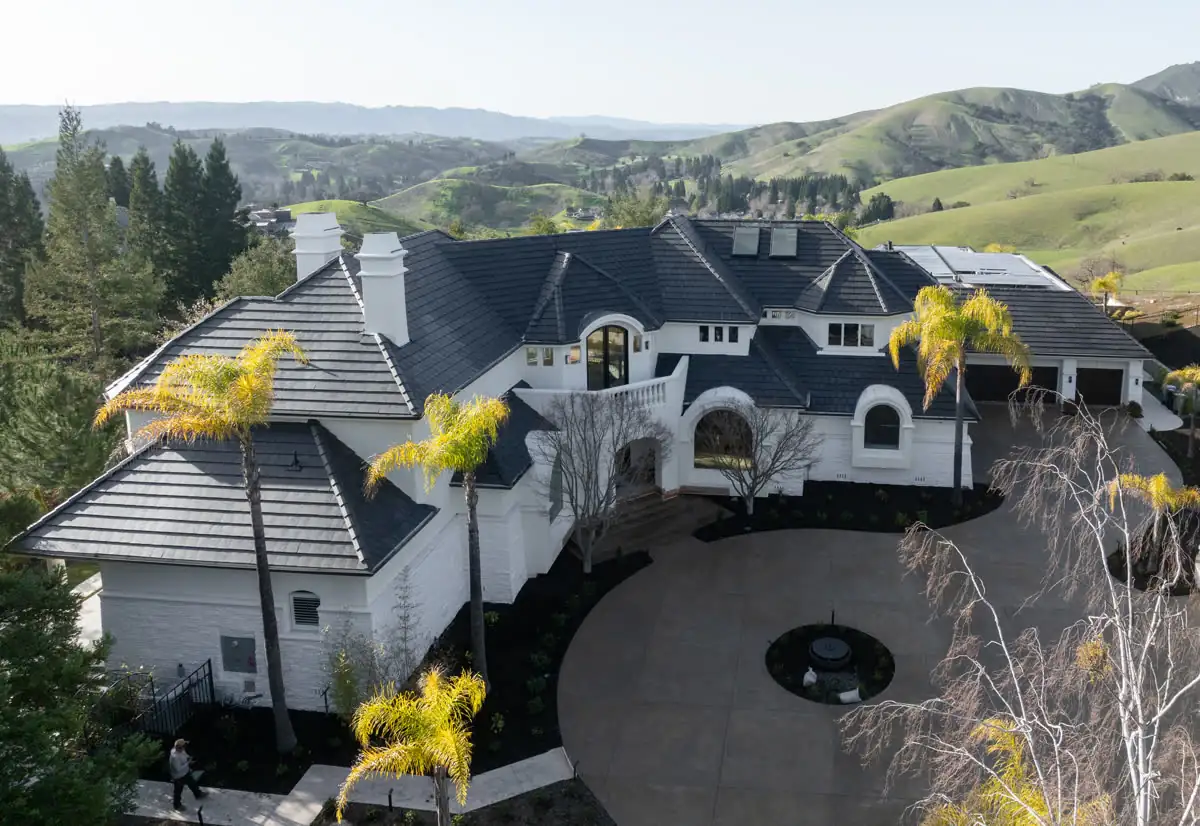
How a Pinellas Park Roof Repair Works With Us
- 01
Send Your Address
We measure your roof from high-resolution imagery and look up when it was last replaced.
- 02
Free Inspection
We find what failed, photograph it, and tell you whether it’s worth repairing.
- 03
Approve from Your Phone
The quote covers the repair, and the price is locked once we send it.
- 04
We Make the Fix
Permit in our name when one is needed, inspections booked, cleanup included.
- 05
You Keep the Record
Before, during and after photos go into your portal.
Every repair is done under Florida certified roofing contractor license CCC1336568, with liability and workers’ comp coverage. For the bigger picture on your home, see our residential roofing page, or shingle roofing and tile roofing for those roofs specifically.
Roofs We're Proud Of
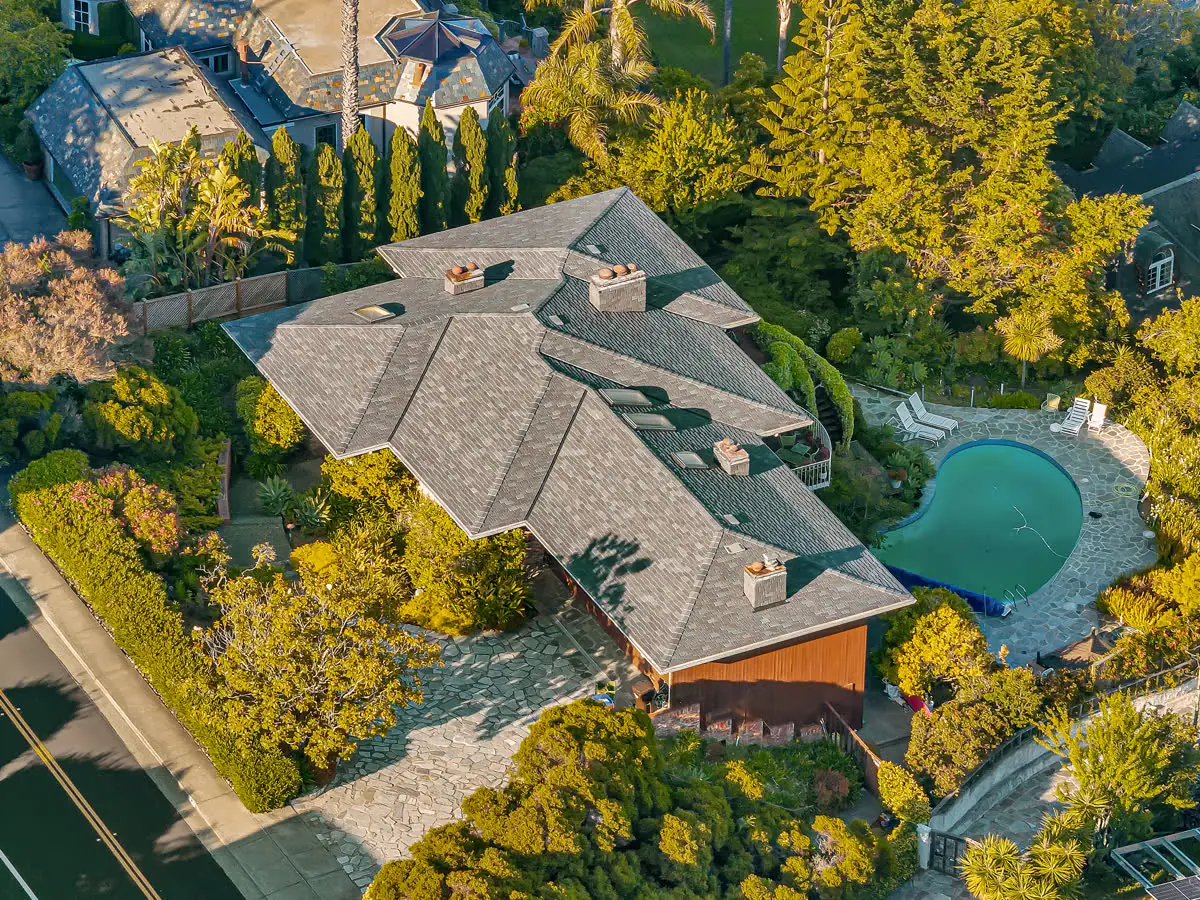
Year workmanship warranty in writing, added on top of the manufacturer's warranty that covers your materials.
We file each permit ourselves and build every roof to the Florida Building Code. There's no form for you to fill in.
The old roof leaves with us, and a magnet goes over the lawn and driveway before the crew heads out.
Florida certified roofing contractor CCC1336568, insured for liability and carrying workers' comp.
Payment options by the month mean the roof can be replaced now and the cost spread out.
Roof Repair Questions from Pinellas Park Homeowners
My Roof Was Replaced About 20 Years Ago. Is It Worth Repairing?
Often it is, if the problem is one part, like a pipe boot or a strip of flashing, and the shingles still hold their granules and bend without cracking. If the whole surface is worn, a repair only buys a short stretch of time. The inspection photos make that call clear either way.
Will New Shingles Match the Ones on My Roof Now?
Close, but rarely exact. Shingle colors fade in the sun and product lines change over the years. We bring the nearest current match and tell you before we start how it will look next to the old ones, especially on a slope you see from the street.
Do Small Repairs Add Up Toward the 25% Limit?
Yes. Every repair, replacement or recover on the same roof or roof section within 12 months counts toward it. One pipe boot is a tiny share. A string of repairs on the same slope in one year can add up, and that matters most on a roof put on before the 2007 code.
How Do I Find Out When My Roof Was Last Replaced?
The permit records for the property usually show it. We look it up as part of the inspection because it tells us whether the 2007-code exception covers your roof.
Do I Need a Permit for a Small Roof Repair in Pinellas Park?
The city lists roof replacement and substantial roof repairs as work that needs a permit. We confirm with the permitting office whether your repair falls in that group, and when a permit is required we pull it in our name.
Can I Pay for a Repair Monthly?
Yes. Monthly payment options apply to repairs too.
Get Your Pinellas Park Roof Measured, Free.
Enter your address. We'll handle everything else.